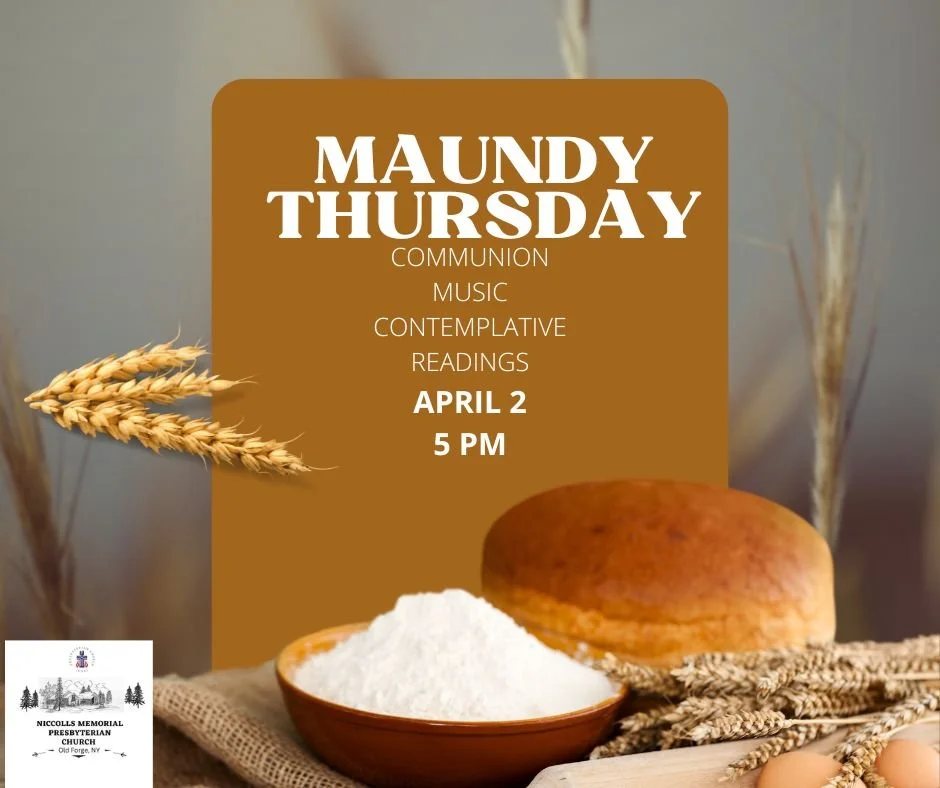
I usually write something for the Advent or Lenten meditations for the group, Presbyterians for Earth Care. This year I wrote a meditation for Maundy Thursday. This is a day we often celebrate with Communion, some churches practice foot washing, others have a Seder Meal. This year I was trying to make a point about the servanthood of Jesus in the act of foot washing.
Our choir has a wonderful anthem for Maundy Thursday about Jesus washing the feet of the disciples. Many of us do not practice foot washing for Maundy Thursday, but it is a powerful ritual. Jesus sets an example of service and humility. We sang a lovely anthem called “Wash Their Feet” by Pepper Choplin. And I was talking about humility, about being humble, about the root word for thumility is humus, meaning of the earth. Like the word Adam - adama in Hebrew means earthling, and so we are. I was saying the earthiness of Jesus' teachings is important, he talks about the birds of the air and the lilies of the field, images of the beauty of the earth. Imagines that can ground us, especially as we live through such devastating news of our country and the world. We seem to have lost connection to the earth, and the things that ground us. Our call, which is to create a world of peace and justice, care for the vulnerable, hope for the hopeless, seems daunting.
Then later we got into a conversation about foot washing, about how yes it’s hard to let someone wash your feet. Peter in the story doesn’t want Jesus to wash his feet - was it a question of pride? Did Peter not want the person he followed to lower himself to this? Or was it more - nobody is touching my feet!
This was a normal custom and servants washed the feet of people coming into a special meal, a purity ritual, respect for the Passover meal. Would there have been a fuss if a normal servant just washed your feet. A servant, or slave would normally take this position, kneeling before someone, and the person whose feet were being washing would think nothing of it. The washee wouldn’t even notice the washer - because there is a difference in class or status. And it is normal human behavior to ignore those serving them. How often do we look directly into the eyes of someone who is serving us and think of them as a person? Or look deeper into our history of slavery, treating people like chattel. Or look at how immigrants are treated by some.
This story invites us into a deep look at seeing and remembering who and what we are. Do we take the time to notice people, do we take the time to respect the person doing a job for us? Do we even realize that someone is packing those boxes of lettuce in a field so that we can have a fresh salad. Do we even remember that someone had to till the land, plant a seed, so that the lettuce would grow. We have become disconnected from all the people that make our way of life possible. This connection doesn’t just relate to people. If we eat meat, do we know how the animals we are eating are treated? Or do we just buy an hamburger - depersonalizing all that goes into making our lives what they are. Do we know that the trees are producing the oxygen we need to breathe?
One message Jesus was giving as he washed the disciples feet was to be awake, be aware, remember that we are part of an intricate web of being, that are in relationship, that are sustained by our reliance on each other. Back to the song, it says “hear my call and live it true, do for them what I do for you. Wash their feet.” May you find depth of meaning in the stories of Holy Week.